
Click Guardian v2 Tracking Pixel

March 5, 2026

10 Most Common Questions About the Polygraph Process

Lie Detector Near Me 

10 Most Common Questions About the Polygraph Process -

And How It Fits Within Modern Investigative Evidence
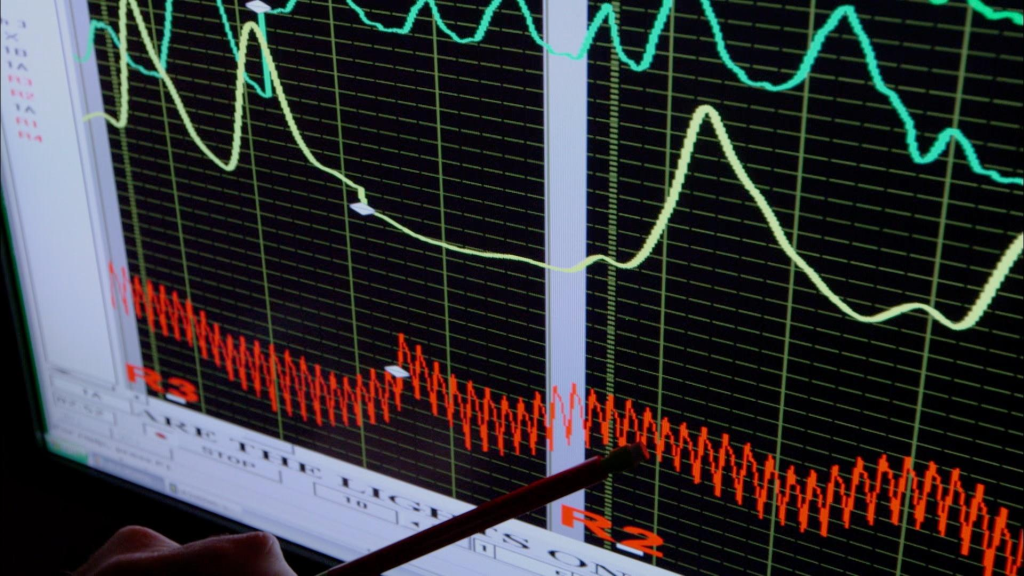
Polygraph testing remains one of the most misunderstood tools in the investigative world. Often referred to as a “lie detector,” the polygraph does not detect lies directly. Instead, it measures physiological responses that may indicate psychological stress associated with deception.

Understanding how polygraph examinations actually work — and where they fit within the broader framework of investigative evidence — helps clarify both their strengths and limitations.

Below are the ten most common questions people ask about the polygraph process, along with explanations of how it contributes to modern investigative practice.


1. What Is a Polygraph Test?

A polygraph examination measures physiological indicators such as:

  • Heart rate
  • Blood pressure
  • Respiration
  • Electrodermal activity (skin conductivity)

These measurements are recorded while structured questions are asked.

Importantly, a polygraph is not a stand-alone proof mechanism. Like other investigative tools, its findings must be considered alongside:

  • Witness testimony
  • Digital evidence
  • Forensic findings
  • Corroborating material

Within investigations, the polygraph functions as one component of a wider evidential framework.


2. How Does the Polygraph Actually Work?

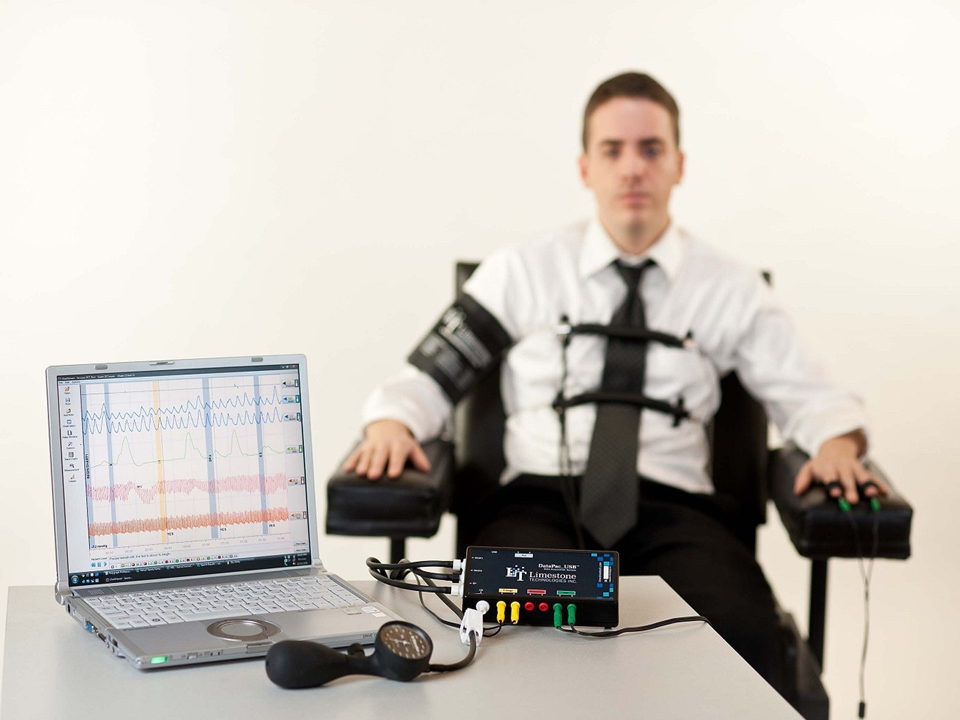
During the examination, sensors record responses from the autonomic nervous system. These responses are evaluated as the examinee answers different categories of questions.

Typically, the examination includes:

  • Relevant questions – directly addressing the issue under investigation
  • Comparison questions – used to establish physiological baselines
  • Neutral questions – designed to produce minimal emotional response

Examiners apply validated scoring systems to compare physiological patterns across these question types.

The strength of the polygraph process lies in structured methodology and standardisation, not intuition.


3. Is a Polygraph 100% Accurate?
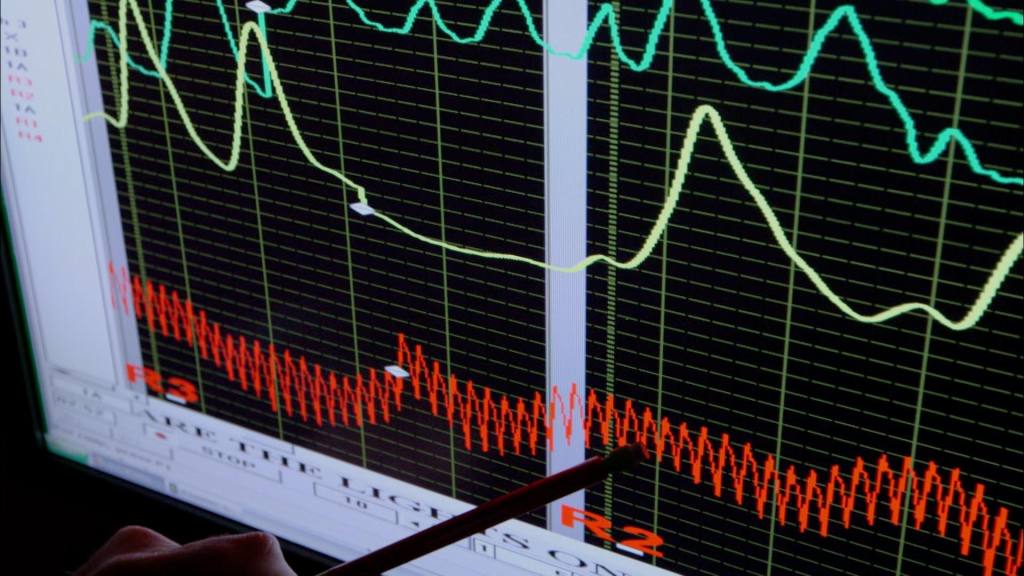
No investigative method is completely accurate.

Even widely accepted investigative tools — such as eyewitness identification or certain forensic methods — have documented limitations.

Polygraph accuracy depends on several factors:

  • Examiner competence and training
  • Suitability of the examinee
  • Proper formulation of questions
  • Strict adherence to testing protocols

For this reason, polygraph findings are best understood as an investigative aid rather than a definitive verdict.


4. Are Polygraph Results Admissible in UK Courts?

In the United Kingdom, polygraph results are generally not admissible as evidence in criminal trials.

However, they are used in specific contexts such as:

  • Post-conviction offender management
  • Risk assessment programs
  • Intelligence development within investigations

In these contexts, the polygraph often helps guide further enquiries rather than replace evidential proof.


5. Can Someone “Beat” a Polygraph?

Claims about “beating the polygraph” frequently circulate online.

Modern polygraph examiners are trained to identify physical and psychological countermeasures, including attempts to artificially manipulate physiological responses.

When manipulation is suspected, the result may be:

  • Inconclusive findings, or
  • Indicators of non-cooperation

Either outcome may prompt investigators to explore the matter further.


6. What Happens During the Pre-Test Phase?
The pre-test interview is one of the most important stages of the polygraph process.

During this phase the examiner will:

  • Explain the procedure in detail
  • Conduct medical and suitability screening
  • Review each question with the examinee
  • Confirm the examinee understands the process

This stage helps ensure clarity, fairness, and procedural integrity, which are fundamental principles in any lawful investigation.


7. How Long Does a Polygraph Examination Take?

A full polygraph examination typically lasts between two and three hours.

The process usually includes:

  1. Pre-test discussion and preparation
  2. Instrumentation (attachment of sensors)
  3. Multiple chart recordings
  4. Post-test analysis and interpretation

The actual questioning period is relatively brief. Much of the time is devoted to preparation and analysis to strengthen reliability.


8. What Types of Questions Are Asked?

Polygraph examinations use structured categories of questions:

  • Relevant questions — addressing the matter under investigation
  • Comparison questions — used for physiological comparison
  • Neutral questions — unrelated to the issue being examined

Importantly, there are no surprise questions during the recorded test phase.

All questions are reviewed and agreed upon beforehand, which promotes transparency and fairness in the procedure.


9. Does Nervousness Cause a Failed Result?
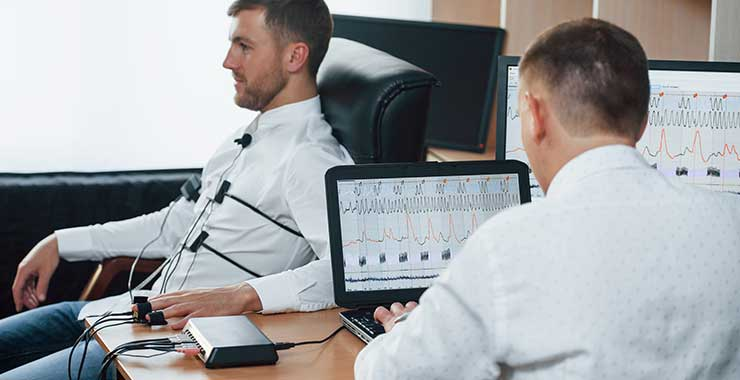
Feeling nervous before a polygraph examination is completely normal.

General anxiety does not automatically indicate deception.

Examiners focus on patterns of physiological response, rather than isolated spikes in stress indicators.

This approach mirrors how forensic scientists evaluate evidence — by analysing patterns rather than single data points.


10. What Happens After the Test?

After the examination is completed, the examiner conducts a detailed analysis of the recorded data.

This includes:

  • Reviewing physiological charts
  • Applying validated scoring criteria
  • Preparing a written report

Possible outcomes generally include:

  • No Deception Indicated (NDI)
  • Deception Indicated (DI)
  • Inconclusive

The findings are then considered alongside all other available evidence within the investigation.


Final Thoughts

Polygraph testing should never be viewed in isolation.

Like digital forensics, witness testimony, CCTV analysis, and physical evidence recovery, it forms part of a broader evidential mosaic.

When conducted ethically and professionally, the polygraph can help:

  • Support investigative direction
  • Assist in risk assessment
  • Encourage disclosure
  • Clarify disputed issues

However, it does not replace thorough investigative work or legal standards of proof.

The value of the polygraph lies not in delivering absolute certainty, but in supporting careful and methodical investigative practice.

Leave a Reply

Your email address will not be published. Required fields are marked *

10 Most Common Questions About the Polygraph Process -

And How It Fits Within Modern Investigative Evidence

Polygraph testing remains one of the most misunderstood tools in the investigative world. Often referred to as a “lie detector,” the polygraph does not detect lies directly. Instead, it measures physiological responses that may indicate psychological stress associated with deception.

Understanding how polygraph examinations actually work — and where they fit within the broader framework of investigative evidence — helps clarify both their strengths and limitations.

Below are the ten most common questions people ask about the polygraph process, along with explanations of how it contributes to modern investigative practice.


1. What Is a Polygraph Test?

A polygraph examination measures physiological indicators such as:

  • Heart rate
  • Blood pressure
  • Respiration
  • Electrodermal activity (skin conductivity)

These measurements are recorded while structured questions are asked.

Importantly, a polygraph is not a stand-alone proof mechanism. Like other investigative tools, its findings must be considered alongside:

  • Witness testimony
  • Digital evidence
  • Forensic findings
  • Corroborating material

Within investigations, the polygraph functions as one component of a wider evidential framework.


2. How Does the Polygraph Actually Work?

During the examination, sensors record responses from the autonomic nervous system. These responses are evaluated as the examinee answers different categories of questions.

Typically, the examination includes:

  • Relevant questions – directly addressing the issue under investigation
  • Comparison questions – used to establish physiological baselines
  • Neutral questions – designed to produce minimal emotional response

Examiners apply validated scoring systems to compare physiological patterns across these question types.

The strength of the polygraph process lies in structured methodology and standardisation, not intuition.


3. Is a Polygraph 100% Accurate?

No investigative method is completely accurate.

Even widely accepted investigative tools — such as eyewitness identification or certain forensic methods — have documented limitations.

Polygraph accuracy depends on several factors:

  • Examiner competence and training
  • Suitability of the examinee
  • Proper formulation of questions
  • Strict adherence to testing protocols

For this reason, polygraph findings are best understood as an investigative aid rather than a definitive verdict.


4. Are Polygraph Results Admissible in UK Courts?

In the United Kingdom, polygraph results are generally not admissible as evidence in criminal trials.

However, they are used in specific contexts such as:

  • Post-conviction offender management
  • Risk assessment programs
  • Intelligence development within investigations

In these contexts, the polygraph often helps guide further enquiries rather than replace evidential proof.


5. Can Someone “Beat” a Polygraph?

Claims about “beating the polygraph” frequently circulate online.

Modern polygraph examiners are trained to identify physical and psychological countermeasures, including attempts to artificially manipulate physiological responses.

When manipulation is suspected, the result may be:

  • Inconclusive findings, or
  • Indicators of non-cooperation

Either outcome may prompt investigators to explore the matter further.


6. What Happens During the Pre-Test Phase?

The pre-test interview is one of the most important stages of the polygraph process.

During this phase the examiner will:

  • Explain the procedure in detail
  • Conduct medical and suitability screening
  • Review each question with the examinee
  • Confirm the examinee understands the process

This stage helps ensure clarity, fairness, and procedural integrity, which are fundamental principles in any lawful investigation.


7. How Long Does a Polygraph Examination Take?

A full polygraph examination typically lasts between two and three hours.

The process usually includes:

  1. Pre-test discussion and preparation
  2. Instrumentation (attachment of sensors)
  3. Multiple chart recordings
  4. Post-test analysis and interpretation

The actual questioning period is relatively brief. Much of the time is devoted to preparation and analysis to strengthen reliability.


8. What Types of Questions Are Asked?

Polygraph examinations use structured categories of questions:

  • Relevant questions — addressing the matter under investigation
  • Comparison questions — used for physiological comparison
  • Neutral questions — unrelated to the issue being examined

Importantly, there are no surprise questions during the recorded test phase.

All questions are reviewed and agreed upon beforehand, which promotes transparency and fairness in the procedure.


9. Does Nervousness Cause a Failed Result?

Feeling nervous before a polygraph examination is completely normal.

General anxiety does not automatically indicate deception.

Examiners focus on patterns of physiological response, rather than isolated spikes in stress indicators.

This approach mirrors how forensic scientists evaluate evidence — by analysing patterns rather than single data points.


10. What Happens After the Test?

After the examination is completed, the examiner conducts a detailed analysis of the recorded data.

This includes:

  • Reviewing physiological charts
  • Applying validated scoring criteria
  • Preparing a written report

Possible outcomes generally include:

  • No Deception Indicated (NDI)
  • Deception Indicated (DI)
  • Inconclusive

The findings are then considered alongside all other available evidence within the investigation.


Final Thoughts

Polygraph testing should never be viewed in isolation.

Like digital forensics, witness testimony, CCTV analysis, and physical evidence recovery, it forms part of a broader evidential mosaic.

When conducted ethically and professionally, the polygraph can help:

  • Support investigative direction
  • Assist in risk assessment
  • Encourage disclosure
  • Clarify disputed issues

However, it does not replace thorough investigative work or legal standards of proof.

The value of the polygraph lies not in delivering absolute certainty, but in supporting careful and methodical investigative practice.

Lies2Light

UK Lie Detector Services

As an experienced examiner, we utilise the latest state-of-the-art polygraph and lie detector testing equipment coupled with a compassionate ear, to help our clients to uncover the truth they deserve.  Lie Detector Test offices are year you and Polygraph tests are offered Nationwide.
© 2025 Lies2Light UK Lie Detector Services. All rights reserved.